
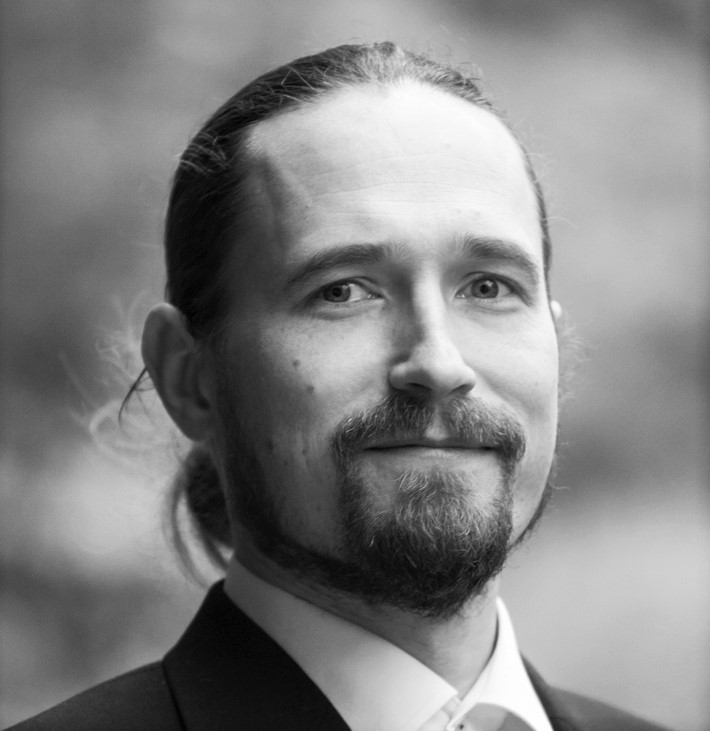
Any realistic climate plan will include a lot of nuclear energy as well as wind and solar, writes Finnish science writer and energy analyst Rauli Partanen in Postime..
Many European countries and leaders have recently made it clear that Europe must be a global leader in stopping climate change. The goal is to be carbon neutral by 2050, which broadly means that low-carbon energy production will have to be increased several-fold over 30 years. While the uptake of renewable energy has been strongly promoted and there is strong political support for it, the results so far are not sufficient. It is clear that we also need more nuclear power.
In several countries, such as Finland, many traditional anti-nuclear groups have begun to change their minds, realising the scale of the problem and that nuclear power is not as scary as first thought.
Two large nuclear reactors are currently under construction in Finland (one in the final stages and the other about to be started), both of which have been approved by Parliament. No Finnish political party is currently against long-term use. Some green-minded politicians have even proposed to the Finnish Parliament to change the legislation and rules on nuclear energy as soon as possible, in order to use small and new types of reactors for district heating and industrial processes, for example.
To reach a CO2-neutral Europe by 2050, the energy industry will need to make a number of changes. The most important is to stop burning fossil fuels, which is still done in many countries. Transport emissions also need to be reduced. Fossil fuel vehicles (e.g. petrol and diesel) must be replaced by electric vehicles. However, where this is not possible - for example in long-distance transport, shipping and aviation - sustainable biofuels and CO2-neutral synthetic fuels produced using low-carbon electricity and heat must be introduced. Finally, we need to replace combustion-based heating and industrial processes with environmentally sustainable heating solutions and industrial steam. These are all very good arguments for using nuclear energy.
Faced with such a difficult task, we need to look to history. It turns out that a number of countries have already done much of the work. France, Sweden, Switzerland, Belgium, Norway and, to some extent, Finland have achieved targets that the leading countries in the fight against climate change (e.g. Germany) will only try to achieve in the next 30 years. These countries have switched to low-carbon electricity generation through a combination of nuclear and/or hydro power, and the share of wind power has increased in recent years. The exception is Norway, which has so many water resources that it has been able to get by with hydropower alone. In addition, these countries have some of the lowest electricity bills in Europe.
These countries are living proof that energy can be produced cheaply and with low carbon emissions. If we really want a CO2-neutral Europe by 2050, it would be very foolish to discard the only technology that has proven itself in large-scale energy production. Any realistic climate plan will include a lot of nuclear energy as well as wind and solar.
It can be expected that new e is very expensive to build. So and so. Of course, the new reactors will require a large investment, but this is mainly because their capacity is also very high. The operating costs of nuclear power plants are very reasonable because they run for a very long time. Recently, some reactors in the US received their first 80-year operating licences. The costs of operating, maintaining and fueling nuclear reactors are very low, which is why a large part of the upfront costs are the repayment of loans and their interest.
The Finns have developed an ingenious model that allows financing large-scale infrastructure projects (e.g. nuclear power plants) in small and relatively capital-constrained countries. It is called the Mankala model. In essence, it is a non-profit cooperative owned by a number of energy consumers, such as energy-intensive industries (e.g. steel and paper producers) and local energy companies. Each company owns a certain number of shares which allow it to buy a share of the nuclear energy produced at cost price.
Another advantage of the Mankala model is funding. When a project is backed by a wide range of companies, it also has better public support because of the many stakeholders involved. These companies also have sufficient collateral, which means that interest rates for companies are often quite low in the Mankala model. Interest rates can have a significant impact on the total levelised cost of energy production (LCOE). If the discount rate is 10 percent, the cost per megawatt-hour is $97. If the discount rate is 1.4 percent, the cost of the same megawatt-hour is $42, according to the IPCC.
There is also ample evidence that initial investment costs can be reduced by building and learning from multiple reactors in succession. Both European Pressurised Reactors (EPRs), which have been under construction for more than a decade, essentially started as prototype reactors. They were built at a time when the know-how, supply chains and experience of building nuclear power plants had been forgotten for decades. Everything had to be done from scratch. Now that everything has been remembered and rebuilt, new ones would have to be built from scratch. stopping the construction of the e is the most foolish decision.
Small Modular Reactors (SMRs), which are being developed all over the world, also offer interesting possibilities for reducing costs. These are smaller projects that are easier to manage, and their small size also means more replication (and learning). Many of these reactors are designed for series production, which is much more productive than building them on site.